

How do you write copy that attracts soul clients when your posts, emails and website keep getting scrolled past?
You write each one with care, and the women you most want to work with still move on without feeling that you were speaking to them. Magnetic copy is writing that makes the person you serve feel recognized in the first line, so she keeps reading and takes your next step. Soul clients respond to copy that sounds like the real person they will work with, and generic words give them nothing to recognize. This article looks at why generic copy gets skimmed, what research on online reading suggests, and how to write a first line that makes one woman feel seen.
Why generic copy gets skimmed
Words that could belong to any coach read as belonging to no one. A line such as "I help women transform their lives" fits thousands of practitioners, so a reader has no reason to feel it was written for her. Precision is what makes a line magnetic, because a woman recognizes herself in the specific situation she is living far faster than she recognizes herself in a promise.
Research on online reading shows how quickly that judgment is made. In studies of how people read websites, Jakob Nielsen and John Morkes found that 79 percent of test users always scanned any new page they came across, and only 16 percent read word by word (Nielsen, 1997). A later analysis estimated that people read about 20 percent of the text on an average page, and that they read half of the information only on pages of 111 words or less (Nielsen, 2008). These findings concern web pages. Feeds and inboxes ask a reader for a similar quick decision, so it is reasonable to expect that each line has to earn the next one there as well.
What the research suggests about plain, specific writing
In a study of five writing styles, Morkes and Nielsen found that a sample website scored 58 percent higher in measured usability when its text was concise, 47 percent higher when it was scannable, and 27 percent higher when it was objective and not promotional. A version that combined all three scored 124 percent higher (Morkes & Nielsen, 1997). Their related research found that users disliked promotional language with boastful claims, and that credibility suffered when readers saw exaggeration (Nielsen, 1997).
The studies measured how well people could use a website, and they did not test coaching offers. They still point in a clear direction for a coach who writes. Plain, specific language is easier to take in, and it earns more trust than an inflated promise.
Plain, specific language earns more trust than an inflated promise. Soul clients respond to copy that sounds like the real person they will work with.
See the woman before you write
Before any headline or caption, picture one woman you serve and answer three questions about her. What is she thinking about in the middle of the night that she tells almost no one? What words does she use when she describes her problem, which are rarely the words you would use? What does she want to feel once the problem is gone? Write down her answers in her language. Those notes will supply more usable lines than any template.
Let the first line do the recognizing
The first line decides whether she reads the second. Open with the situation she is in, said the way she would say it to a friend. Here are two openings, written as an illustration. Say you coach women who feel invisible online. A generic opening reads, "I help heart-centered women step into their power." A recognizing opening reads, "You post every week, you care about every word, and the women you most want to reach still scroll past." The second opening says nothing more about your method, and it still tells the reader she has been seen.
Write for the reader who scans
The guidance that came out of Nielsen's research is practical. Use meaningful subheadings that say what the section holds, keep to one idea per paragraph, use a list where the content is a list, and highlight the keywords a reader is looking for. In a post or an email, that means giving each paragraph a single job and putting its main point in the first few words, so that a woman who reads only the opening of each paragraph still understands what you are offering.
Write the way you speak
Read your draft aloud. Anywhere you stumble, or sound like someone you are not, rewrite the sentence in the words you would use on a call with a client. Soul clients are choosing a person, and your natural voice is the clearest evidence of who that person is.
Rewrite one piece this week
Choose a single piece you have already published, whether a post, an email or the top of your website. Write the woman's answers to the three questions beside it, and replace the first two lines with her situation in her own words. Then publish it again and notice who responds.
If you want to go further into the language your ideal client uses, my earlier conversation with Simone Hoa Aubrey, How Learning Another Language Makes You a Better Coach, is worth your time. And if you would like help with the messaging behind your copy, from the woman you serve to the words that reach her, that is the work I do with women coaches at badassbutterflyalchemy.com.
Today's conversation
I take this up live at 2:00 PM PT today, and you can watch the live or replay here.
Where in your marketing could the first line speak to one woman instead of everyone?
Join the Spiritual Business Hour community for weekly episodes, free cheatsheets and a welcome gift.
References
- Morkes, J., & Nielsen, J. (1997). Concise, SCANNABLE, and Objective: How to Write for the Web. Nielsen Norman Group. https://www.nngroup.com/articles/concise-scannable-and-objective-how-to-write-for-the-web/
- Nielsen, J. (1997, October 1). How Users Read on the Web. Alertbox. Archived copy: https://www.chnm.gmu.edu/digitalhistory/links/pdf/chapter4/4.17c.pdf
- Nielsen, J. (2008, May 6). How Little Do Users Read? Nielsen Norman Group. https://www.nngroup.com/articles/how-little-do-users-read/
Connect With The Spiritual Business Hour
Catch every live broadcast, past replay, and community discussion:
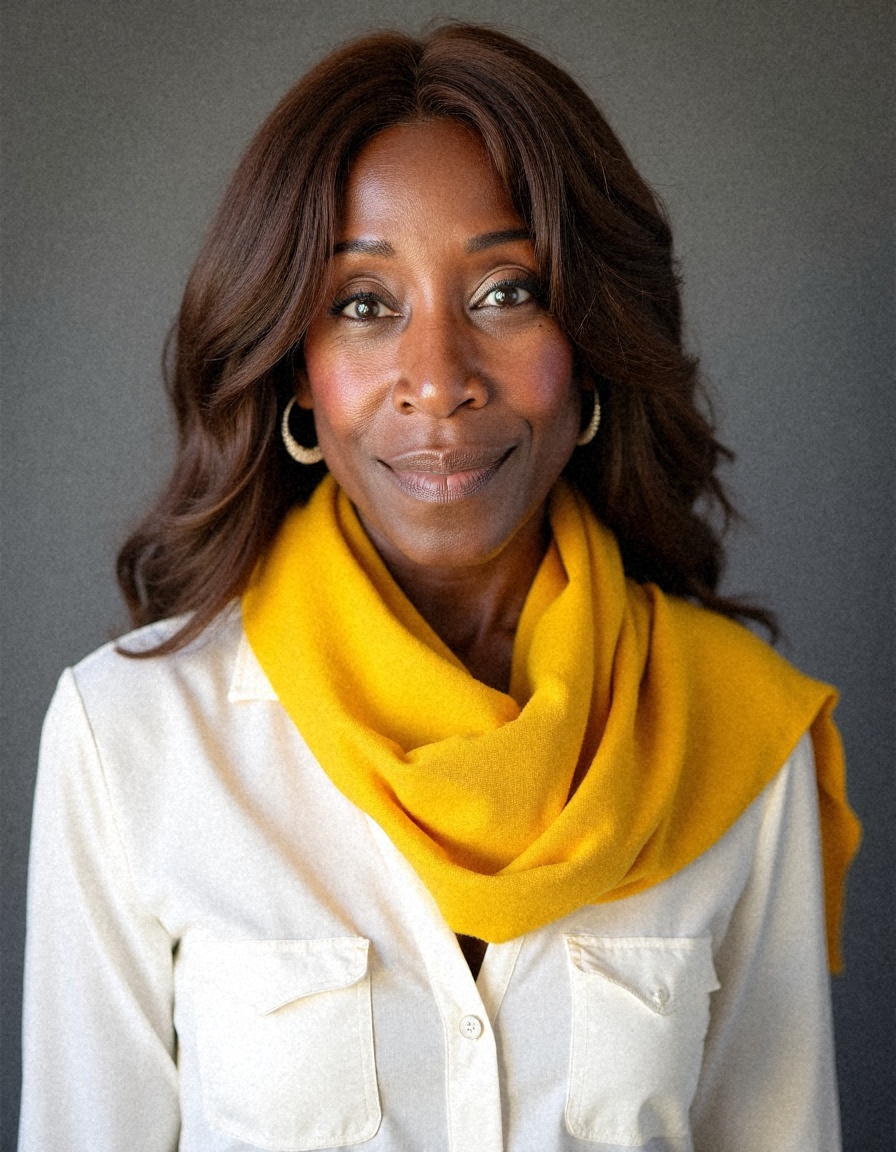
Crystal Lynn Bell
Founder of Badass Butterfly Alchemy
Visit www.badassbutterflyalchemy.com →Crystal Lynn Bell is a Spiritual Business Mentor, visibility coach, and founder of Badass Butterfly Alchemy Coaching. Her work sits at the intersection of deep inner transformation and serious business architecture. Since 2011, she has guided more than 800 women through the process of building coaching businesses grounded in their genuine experience and designed to produce real, sustainable income.