

What is the cost of using AI copy in your business, and why does generic AI text hold back your organic visibility as a coach or healer?
If you write your social posts, website pages and newsletters with a tool like ChatGPT, this article looks at what that habit may be costing you with the women who are deciding whether to trust you. It draws on a survey about reader trust, on the editorial standard of a magazine that publishes under a "No AI" rule, and on a short audit you can run on your own words this week. I am exploring the same subject today with Jennifer Thompson, the Editor-in-Chief of I Am. Magazine International, and you can watch me live on YouTube at 2:00 PM PT.
What the research says about readers who suspect a machine wrote it
In July 2025, Raptive, a company that helps publishers earn revenue from their content, reported the results of a survey of 3,000 U.S. adults. Participants read articles on topics such as travel, food, finance and parenting, each placed beside a brand advertisement, and separate groups were told that the content had been written either by AI or by a person. According to the Raptive study on AI content and reader trust, content that readers suspected was AI-generated reduced their trust by nearly 50 percent. Readers who believed an article came from AI were also 14 percent less likely to consider buying the products advertised beside it, and they rated those advertisements as 11 percent less trustworthy.
Two details matter when you read these numbers. The survey was commissioned by a company with a commercial interest in the question, so it deserves the same healthy scrutiny as any industry research. The second detail is more useful to you: the effect came from what readers believed about the source of the content. Your potential clients are forming beliefs about you all the time, and one of those beliefs is now "a person wrote this" or "a machine wrote this." A woman who senses the second, even faintly, gives your words less weight, and she may never tell you that this was the reason she did not book.
Why a coach feels this more strongly than a publisher does
A coach sells a relationship before she sells a program. Someone who is considering working with you reads your posts and your website to decide whether you understand her, whether you have lived what you teach, and whether you are the person to take seriously with her question. Those are judgments about a human being, and she makes them from your voice. When the voice sounds like everyone else's, the judgment has nothing particular to rest on, and you become one more competent-sounding option in a crowded feed.
This is also where visibility meets income. A woman who wants to be sought after, rather than to chase attention, depends on being recognizable: the sentence a reader remembers, the opinion she repeats to a friend, the phrase she searches for a week later. Generic text offers none of that, because a post that could have been written by any coach in your field gives a reader no reason to remember which coach wrote it.
You also hold something that no tool has. Your decades of experience contain the client conversation that changed your mind, the year you nearly closed your practice, and the way you describe a pattern after watching it repeat across many women. That material is the reason people hire you, and it is exactly what generic copy cannot supply.
What a "No AI" editorial standard looks like
Jennifer Thompson is an international bestselling author, a storyteller and the Editor-in-Chief of I Am. Magazine International, which she has built over six years from a time of grief and transition. The magazine holds a "No AI" editorial standard, and that standard is the reason I invited her. An editor spends her days listening for the voice behind the words, and she develops a practiced ear for the difference between a person speaking and text assembled to sound like a person.
In our conversation I will ask her what the standard means in practice, what she looks for when a piece arrives, and how building the magazine through a season of change shaped the way she thinks about telling human stories. You can read the magazine for yourself at I Am. Magazine International, and I recommend it as a study in what a consistent human voice sounds like across many contributors.
Where your own story does the work that generic copy cannot
A human voice is built from particulars, and the particulars come from what you have lived. I recorded an earlier live on how to share your spiritual story to attract coaching clients, which pairs naturally with today's subject, because a story gives a reader a person to trust and a machine-written paragraph gives her only an average of what many people have said.
Three questions will draw out the material that makes your writing recognizable. What do you tell every new client during the first ten minutes of working together? What do you disagree with in your field, and what made you disagree? What did you believe five years ago that you no longer believe? The answers to those questions contain your opinions, your history and your way of explaining, and each one can become a post, an email or the opening of a web page without help from a tool.
It also helps to separate two jobs that often get mixed together. Thinking and drafting belong to you, because they decide what you stand for in public. Formatting, scheduling and proofreading are mechanical, and a tool can handle them without changing what your reader hears. Once those jobs are separated, you can use a tool where it saves time and still keep the relationship in your own words.
How to audit your own messaging this week
You can test how much of your own voice is on the page with an audit that takes about an hour. Use your most recent writing, and read it aloud.
- 1. Gather the last ten pieces you published, including posts, emails and website pages, and read each one out loud as though you were speaking to a client across a table.
- 2. Mark every sentence you could not imagine saying to her, and every sentence that could appear unchanged on another coach's page.
- 3. For each marked sentence, ask what you have actually seen or lived that the sentence stands in for, and write that instead. A specific moment from a client conversation, with identifying details removed, will outperform a general statement about transformation every time.
- 4. Replace the phrases that appear in everyone's copy with the way you would say the same thing to a friend who asked what you do.
- 5. Publish one piece this week that you wrote from the first word to the last, with your own opinion in its first paragraph, and pay attention to how readers respond.
When you draw on your personal story for this exercise, share what you have already moved through, keep raw material for a practitioner or a trusted friend, and leave out other people's stories and any identifying details.
Your potential clients aren't looking for polished, robotic perfection. They are searching for your lived experience and deep wisdom.
Three questions coaches type about AI and their voice
Can readers really tell when a coach used AI?
The Raptive survey measured how readers reacted when they believed content came from AI, which is a different matter from whether they can identify it. What it shows is that the belief alone lowers trust, so the safer course is to give readers writing that sounds like one specific person.
Is it a mistake to use AI anywhere in a coaching business?
Tools can help with organizing a schedule, outlining a talk or correcting the typos in your own draft. The place where your voice carries the weight of the relationship, which includes your stories, your opinions and the way you explain your method, is the place worth writing yourself.
How do I sound like myself when I do not have time to write?
Record yourself answering a client question out loud, and write from the recording. Spoken answers keep the rhythm and the specifics that a blank page tends to strip away, and a single answer can become a post, an email and a section of a web page, all in your own words. This is the approach to take if time is the obstacle, because the voice is already yours before any editing begins.
Join me live today
Jennifer Thompson and I go live today at 2:00 PM PT, and you can join the conversation on YouTube (Episode #101). I am Crystal Lynn Bell, and I help heart-centered women coaches and spiritual healers nail their messaging, marketing and infrastructure so they attract consistent clients and income, which you can read more about at Badass Butterfly Alchemy.
Which sentence in your most recent post could only have come from you?
Connect With The Spiritual Business Hour
Catch every live broadcast, past replay, and community discussion:
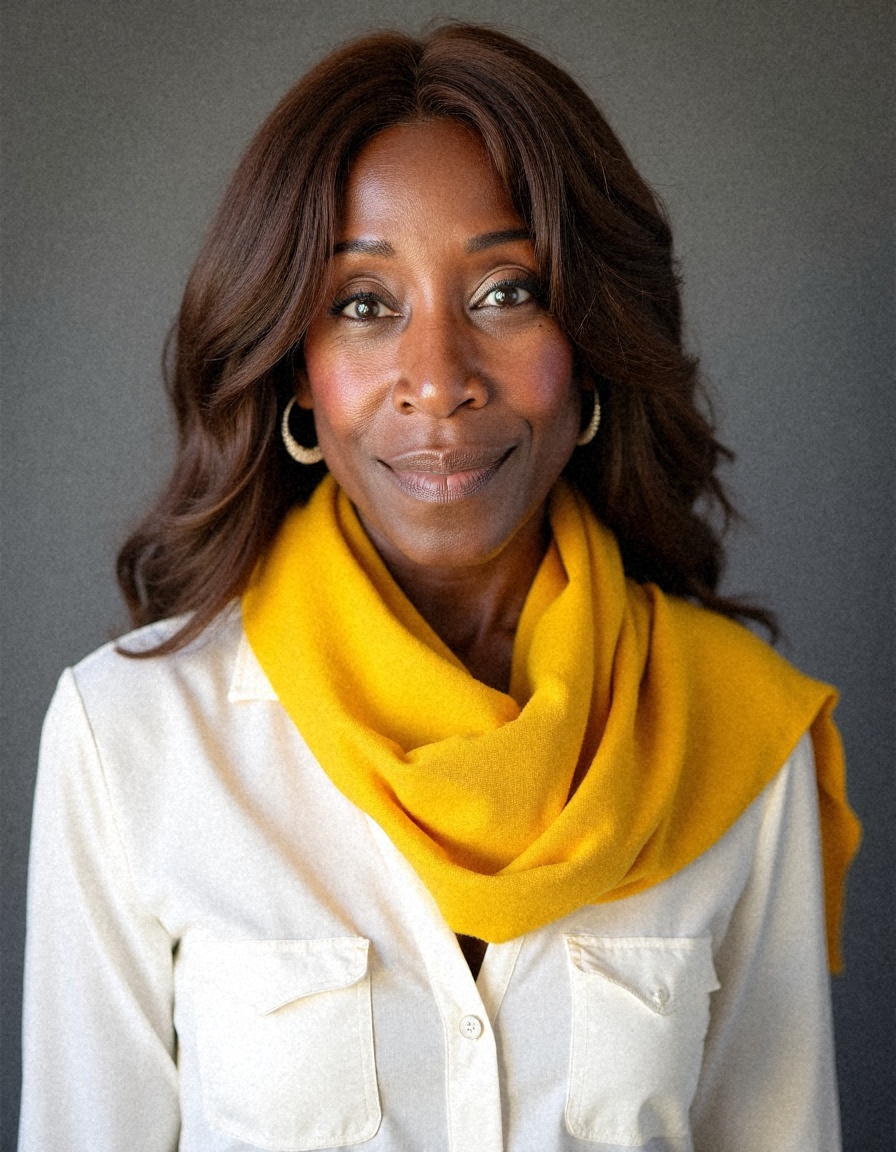
Crystal Lynn Bell
Founder of Badass Butterfly Alchemy
Visit www.badassbutterflyalchemy.com →Crystal Lynn Bell is a Spiritual Business Mentor, visibility coach, and founder of Badass Butterfly Alchemy Coaching. Her work sits at the intersection of deep inner transformation and serious business architecture. Since 2011, she has guided more than 800 women through the process of building coaching businesses grounded in their genuine experience and designed to produce real, sustainable income.