

Why do the dating rules that used to work for you stop working after a spiritual awakening?
You may have noticed that the approach you used in your twenties or thirties no longer fits. Conversations that once felt promising now feel thin. The patience you used to extend to people who gave you very little has run out, and you cannot tell whether that is growth or a wall you have built around yourself. Many women in midlife describe this after a spiritual awakening, and it helps to understand what changed, because the answer shapes how you date from here.
What a spiritual awakening changes
A spiritual awakening is a deep shift in how you see yourself, your values and your inner guidance, and it changes what you will accept from others and from yourself. What you will accept is where dating enters. Dating is a long series of small decisions about what you will accept: how someone speaks to you, how much of your time they receive, what they learn about your inner life, and how they respond when you say no. When your answers to those questions change, the old rules stop working, because they were written for a woman who gave different answers.
The old rules were written for a previous version of you
Most dating rules are strategies built to produce a particular result with a particular kind of person. You may have learned to wait for him to call, to keep your spiritual life quiet until you felt safe, to stay easygoing about things that mattered to you, or to treat chemistry as the main signal. Those rules did a job. They helped a version of you who needed approval, or who feared being too much. After an awakening that version of you is no longer making the decisions, and the rules she built keep running anyway. This is why the old approach can feel like acting in a play you no longer believe in.
Change across adulthood is well documented
Research on personality gives some context for why this happens in midlife. In a meta-analysis of 92 samples, Roberts, Walton and Viechtbauer (2006) examined how personality traits change across the life course. They found that social dominance, conscientiousness and emotional stability rise especially between the ages of 20 and 40, that agreeableness changes mainly in old age, and that four of the six trait categories they examined continue to change in middle and old age. This research concerns personality traits and does not address spiritual awakening. I include it for one reason. It shows that people, on average, change in measurable ways across adulthood, so a woman who dates at fifty is working with a different self than the one who dated at twenty-five, and it makes sense that her rules need an update.
A firm standard and a wall can look the same from the outside
After an awakening your standards often become firmer. That firmness can come from clarity or from fear, and the two lead to very different results. A standard built on clarity says that you know what you need and you can say it kindly. A standard built on fear says that no one will get close enough to hurt you again. Both end the evening early, which is why they are easy to confuse.
These questions can help you tell them apart.
- Can you describe what you want in terms of how someone treats you and what the two of you build, or is your list mostly a collection of things you refuse?
- When you end a conversation or a date, do you feel relief that you protected something you value, or relief that you got away before anyone came close?
- Are you willing to be seen by someone who is kind and unfamiliar with your spiritual world?
If your answers lean toward refusing, escaping or staying unseen, you may be protecting yourself from an old injury. That deserves compassion, and it also deserves attention, because a wall keeps out the people you want along with the people you do not.
A standard built on clarity says that you know what you need and you can say it kindly. A standard built on fear says that no one will get close enough to hurt you again.
Write the new rules before you meet anyone
New rules work best when you write them while you are calm and before you are sitting across from someone. A simple process:
- Name your five values. Choose the five that matter most to you now, in the order you would give them up.
- Turn each value into a behavior you can observe. If honesty is on your list, the behavior might be that he tells you when plans change. If respect is on your list, the behavior might be that he asks about your work and remembers the answer.
- Decide how you will talk about your spiritual life. Choose what you will say, when you will say it and what kind of response gives you the information you need.
- Set your pace. Decide ahead of time how quickly you want to move, and write it down. A pace you chose in a calm moment is easier to keep when attraction is strong.
- Choose one person to talk with after dates. Pick someone who knows your values and will ask you how you felt, and does not tell you what to do.
How to talk about your spiritual life on a date
Say it plainly, the way you would describe your work. You might say that you meditate each morning, that you work with intuition, or that your spiritual life is central to how you make decisions. Then pay attention to the response. Curiosity, respect and a willingness to ask questions are good signs. Dismissal, teasing or a quick change of subject tell you something as well. Respect for your practice matters more than agreement with it, since a partner can believe differently from you and still honor what is sacred to you.
Allow some grief
An awakening can end connections that used to fit, including some that felt safe. You may notice sadness about the way you used to date, the people who no longer suit you, or the years you spent with different rules. Let that sadness be present. It is part of the change, and acknowledging it keeps it from showing up later as sudden walls.
A two week experiment
Over the next two weeks, write your five values and one observable behavior for each. Then apply them to a real situation, such as a conversation on a dating app, a first date or a friendship that may become something more. Afterward, write down what you noticed about your body, your energy and your sense of safety. You are gathering information about how your new rules feel in real life, and that information will guide the next adjustment.
I take this up live on Wednesday, November 11 at 2:00 PM PT, and you can watch the live or replay here. Another live from last week is called How to Write a Book as a Coach: Channeling the Akashic Records. You can find more about my work at Badass Butterfly Alchemy.
Which of your old dating rules was written for the woman you used to be?
Join the Spiritual Business Hour community for weekly episodes, free cheatsheets and a welcome gift.
References
- Roberts, B. W., Walton, K. E., & Viechtbauer, W. (2006). Patterns of mean-level change in personality traits across the life course: A meta-analysis of longitudinal studies. Psychological Bulletin, 132(1), 1 to 25. https://experts.illinois.edu/en/publications/patterns-of-mean-level-change-in-personality-traits-across-the-li/
Connect With The Spiritual Business Hour
Catch every live broadcast, past replay, and community discussion:
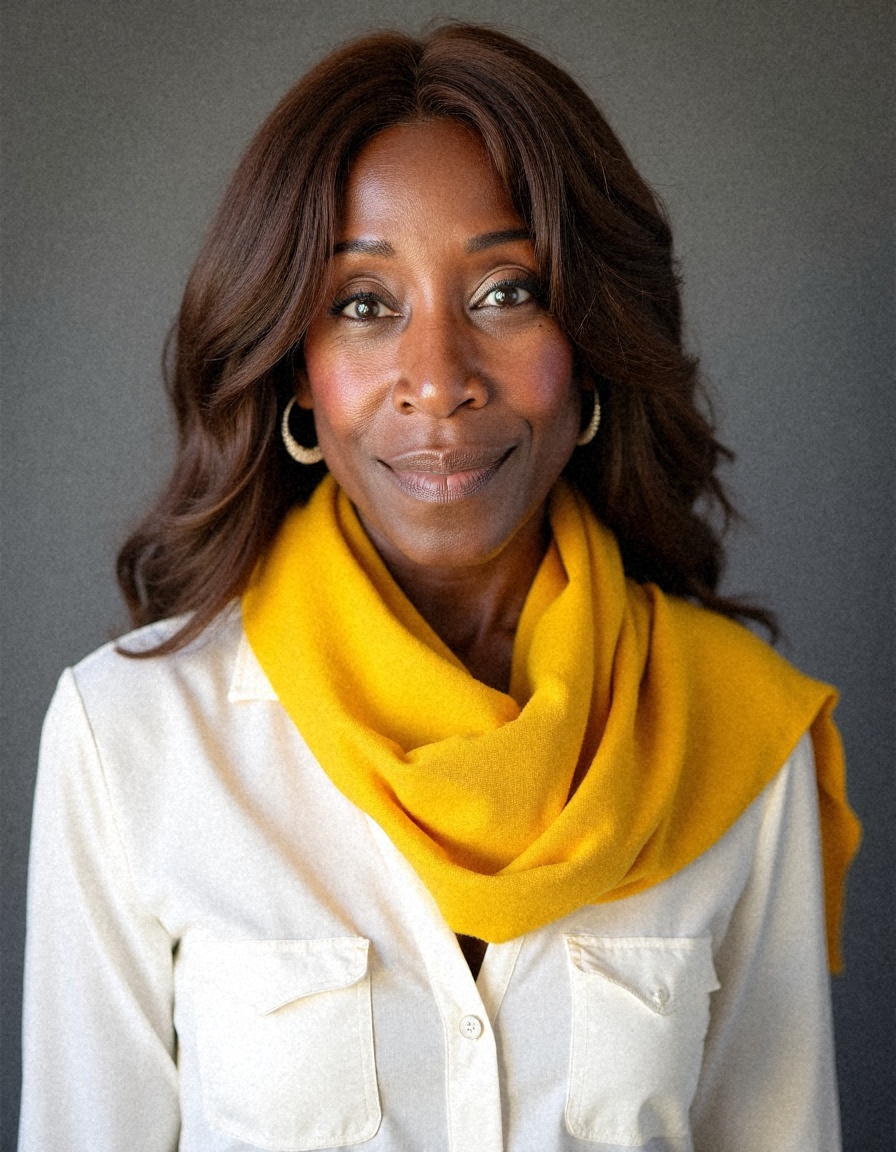
Crystal Lynn Bell
Founder of Badass Butterfly Alchemy
Visit www.badassbutterflyalchemy.com →Crystal Lynn Bell is a Spiritual Business Mentor, visibility coach, and founder of Badass Butterfly Alchemy Coaching. Her work sits at the intersection of deep inner transformation and serious business architecture. Since 2011, she has guided more than 800 women through the process of building coaching businesses grounded in their genuine experience and designed to produce real, sustainable income.